About Us

Banarasi sarees
Banarasi sarees

The Timeless Elegance of Banarasi Sarees: History, Types, and Styling Tips

The History of Banarasi Sarees

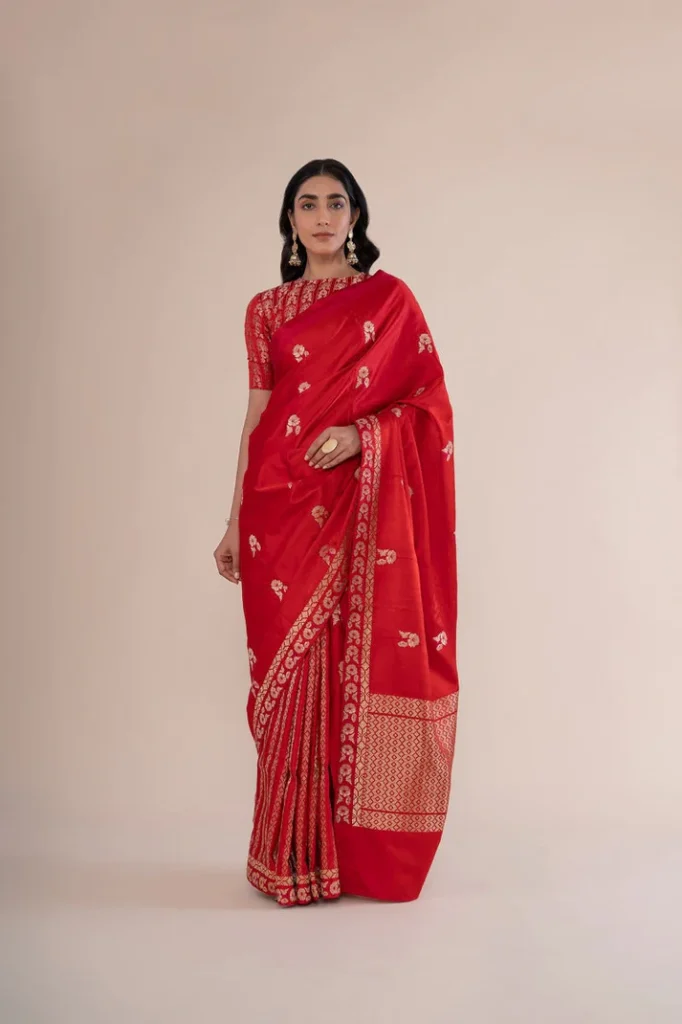
The Banarasi saree takes its name from Banaras (now Varanasi). influenced of Mughal art and craftsmanship. The Mughal emperors brought Persian aesthetics, floral patterns, and brocade weaving techniques to India.

Key Features:

✨ Handwoven silk fabric
✨ Golden and silver zari motifs
✨ Perfect for bridal and festive wear
✨ Originated from the holy city of Varanasi

Types of Banarasi Sarees

Explore the different types of Banarasi sarees — Katan, Organza, Georgette, Shattir, And More

Katan Banarasi Saree: Pure silk with fine zari work

Organza Banarasi Saree: Lightweight with elaborate embroidery

Georgette Banarasi Saree: Modern, flowy, perfect for light occasions

Shattir Banarasi Saree: For contemporary styles

Jangla, Tanchoi, Cutwork, Tissue, Butidar Sarees: Breakdown of unique design techniques
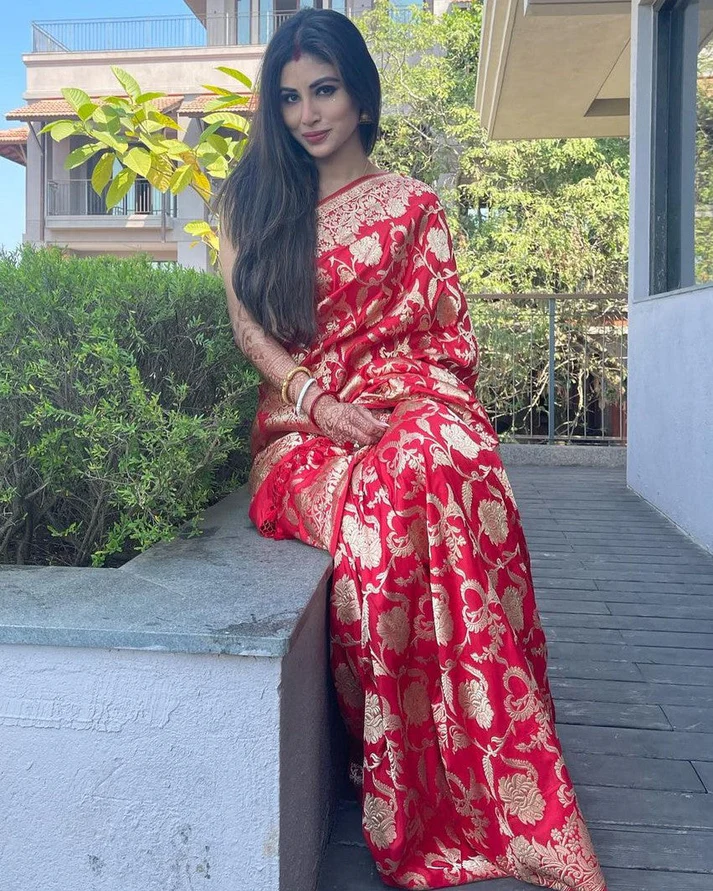
How to Style a Banarasi Saree

  • Jewelry pairing by saree color and design

  • Temple jewelry, (gold, kundan, temple jewelry)

  • Blouse pairing ideas (designer, contrasting, silk)

.

How to Choose the Perfect Banarasi Saree for Every Occasion"

  • Saree types by occasion: daily wear, wedding, party

  • Color suggestions by event and skin tone

  • Pairing with jewelry, makeup, blouse styles

  • Do’s and don’ts for first-time buyers

How to Identify a Pure Banarasi Saree

Check the Weaving Technique

  • Handwoven vs. Powerloom: Pure Banarasi sarees are handwoven using traditional techniques. If you look closely at the reverse side, you’ll notice float threads or “jala” work (threads running between motifs). Powerloom sarees often have a very neat backside without such floats.

  • Small irregularities in weaving = proof of handloom authenticity.

Motifs & Designs

  • Traditional Banarasi sarees have classic motifs like:

    • Kalga, bel, jhallar (leaf, floral, and vine patterns)

    • Mughal-inspired designs like paisleys, animals, and floral butas

  • Pure ones have intricate zari work, not gaudy or overly shiny.

Zari (Gold/Silver Thread)

  • Real Banarasi sarees use zari made with silver threads coated with gold.

  • Fake sarees often use plastic or metallic polyester threads—very bright and flashy.

  • Rub zari gently: Pure zari won’t lose shine easily, but fake zari may flake or fade.

Fabric Quality

  • Pure Banarasi sarees are made of fine silk—soft, rich, and heavy.

  • Fake sarees may feel too light or rough, often blended with synthetic fibers.

  • Try the burn test (if possible): A small silk thread from the saree, when burnt, smells like burnt hair and turns to ash. Synthetic fibers smell like plastic and form hard lumps.

GI Tag & Certificate

  • Authentic Banarasi sarees come with a Geographical Indication (GI) tag issued by the Government of India.

  • Trusted sellers and weavers provide a certificate of authenticity.

Origin & Price

  • A genuine Banarasi saree is traditionally woven in Varanasi (Banaras), Uttar Pradesh.

  • Because of the time and skill involved, pure sarees are costly (usually ₹8,000 to several lakhs). If the price seems too cheap, it’s likely not pure.

Conclusion

In conclusion, a pure Banarasi saree is known for its rich silk, intricate weaving, and authentic zari work. Always check the fabric, motifs, and GI tag before buying to ensure you own a genuine Banarasi saree that reflects timeless tradition and craftsmanship.” A true Banarasi saree is a masterpiece—handwoven, authentic, and timeless. Always trust the weave, the zari, and the certificate.”Banarasi sarees continue to be a cherished choice for weddings, festivals, and special occasions. Owning a Banarasi saree is not just about fashion; it’s about preserving a piece of culture that has been admired for generations and will always remain a classic in the world of ethnic wear.

In conclusion, a pure Banarasi saree is known for its rich silk, intricate weaving, and authentic zari work. Always check the fabric, motifs, and GI tag before buying to ensure you own a genuine Banarasi saree that reflects timeless tradition and craftsmanship.” A true Banarasi saree is a masterpiece—handwoven, authentic, and timeless. Always trust the weave, the zari, and the certificate.”Banarasi sarees continue to be a cherished choice for weddings, festivals, and special occasions. Owning a Banarasi saree is not just about fashion; it’s about preserving a piece of culture that has been admired for generations and will always remain a classic in the world of ethnic wear.

Turn heads wherever you go in a classic Banarasi saree ✨
Handcrafted with silk and zari, it’s not just a saree — it’s a legacy of tradition, elegance, and grace.
#BanarasiSaree #TraditionalStyle #IndianElegance #FestiveLook

Scroll to Top